Transform Your Workspace: The Benefits of Ergonomic Design
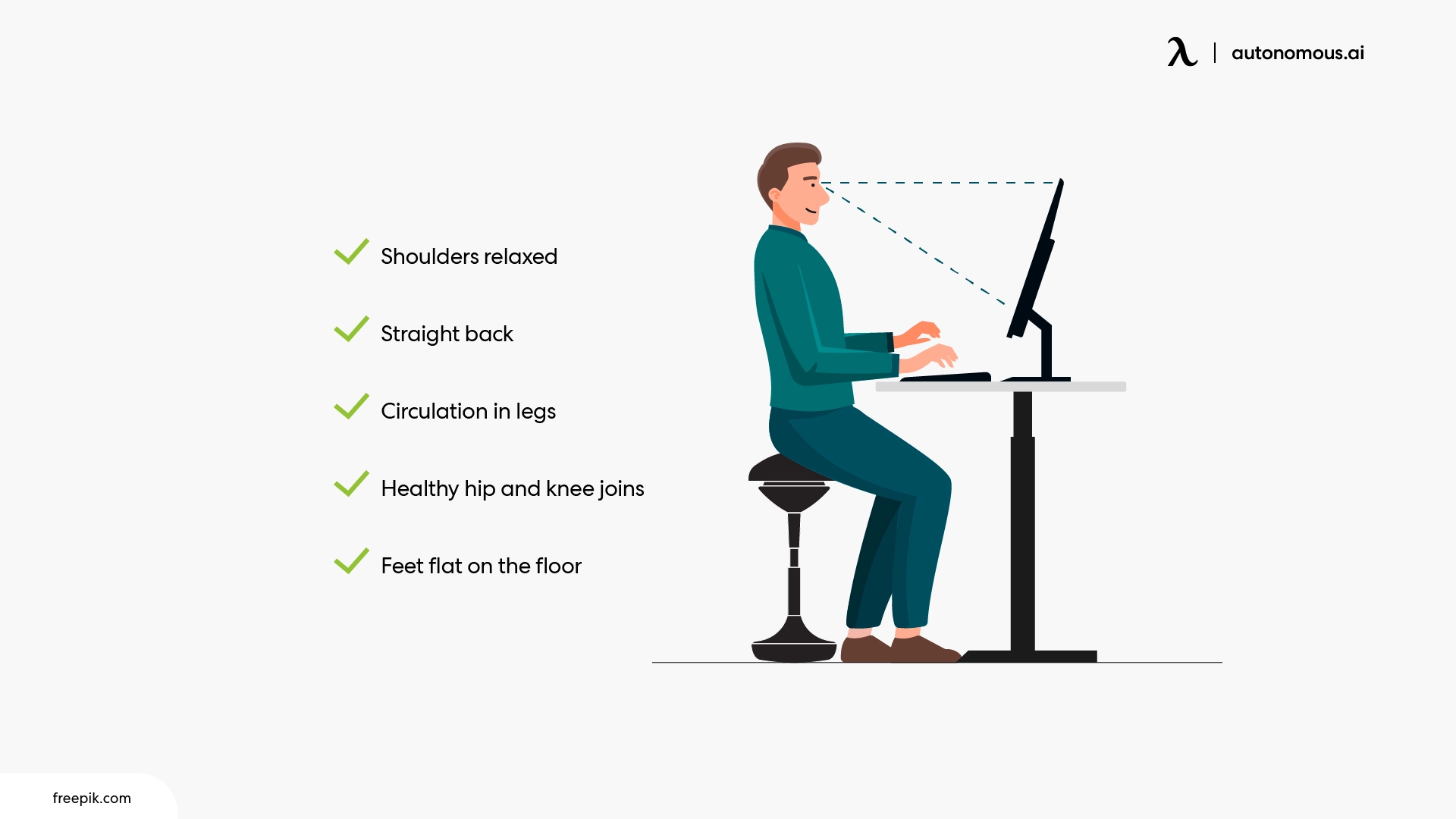
In today's fast-paced work environment, ergonomic design has become essential for maximizing productivity and well-being. By transforming your workspace with ergonomic principles, you can significantly reduce physical strain and discomfort. A well-designed ergonomic setup includes adjustable furniture, such as desks and chairs that promote proper posture, as well as accessories like keyboard trays and monitor stands, which help ensure that your workspace is tailored to your body’s needs. This attention to comfort not only aids in preventing workplace injuries but also enhances overall job satisfaction.
There are numerous benefits to adopting an ergonomic workspace. First and foremost, it can lead to increased productivity; research shows that when employees are comfortable, they work more efficiently. Secondly, an ergonomic environment can improve focus and mental clarity, reducing fatigue over long work periods. Lastly, investing in ergonomic design ultimately saves costs related to healthcare and absenteeism, making it a smart decision for both employees and employers. Here are three key benefits of ergonomic design:
- Reduced risk of injury
- Enhanced productivity
- Improved employee morale
Counter-Strike is a popular team-based first-person shooter that has captivated millions of players worldwide. The game emphasizes teamwork, strategy, and quick reflexes, creating a thrilling competitive environment. For those looking to enhance their gaming experience, consider checking out the Top 10 Laptop Stands for Beds that provide comfort and convenience during long gaming sessions.
Essential Ergonomic Tools for a Productive and Creative Workspace
Creating a productive and creative workspace requires not just inspiration but also the right tools that prioritize ergonomics. Ergonomic tools help reduce strain and enhance comfort, allowing you to focus on your work without the distractions of discomfort. Essential items include adjustable desks, which allow you to switch between sitting and standing positions easily. Pair this with an ergonomic chair that supports your lower back, promoting proper posture during long hours of work.
Additionally, invest in accessories such as ergonomic keyboards and mice, which can significantly minimize the risk of repetitive strain injuries. A dedicated footrest can further enhance your seating position, while a monitor stand can help maintain eye level with your screen, reducing neck strain. By integrating these ergonomic tools into your workspace, you create an environment that not only boosts productivity but also fosters creativity, allowing you to bring your best ideas to life.
How Does Ergonomics Boost Creativity and Well-Being at Work?
Understanding how ergonomics can boost creativity and well-being at work is crucial for enhancing productivity. By designing the workplace to fit the needs of the employees, companies can reduce physical strain and discomfort, allowing for a more focused and engaged mindset. An office that promotes proper seating arrangements, adjustable desks, and adequate lighting can minimize distractions caused by physical discomfort. This not only leads to a healthier workforce but also fosters an environment where creativity can flourish, as employees feel more at ease and capable of pursuing innovative ideas.
Moreover, incorporating ergonomic principles can lead to improved mental well-being, as comfortable workspaces contribute to overall job satisfaction. When employees are less bogged down by aches and pains, they are more likely to collaborate effectively and think outside the box. For instance, companies can encourage regular breaks and provide tools that support good posture—this practice not only prevents burnout but also enhances creative thinking. Ultimately, prioritizing ergonomics in the workplace is an investment in both employee well-being and the organization's creative output.