10 Essential Ergonomic Tips for a Healthier Workspace
Creating a healthier workspace is essential for maintaining productivity and well-being. One of the most effective ways to achieve this is by incorporating ergonomic tips into your daily routine. Here are 10 essential ergonomic tips to consider:
- Adjust your chair height so your feet rest flat on the floor, with your knees at or just below hip level.
- Position your computer monitor at eye level to prevent neck strain.
- Utilize a footrest if your feet don't reach the floor comfortably.
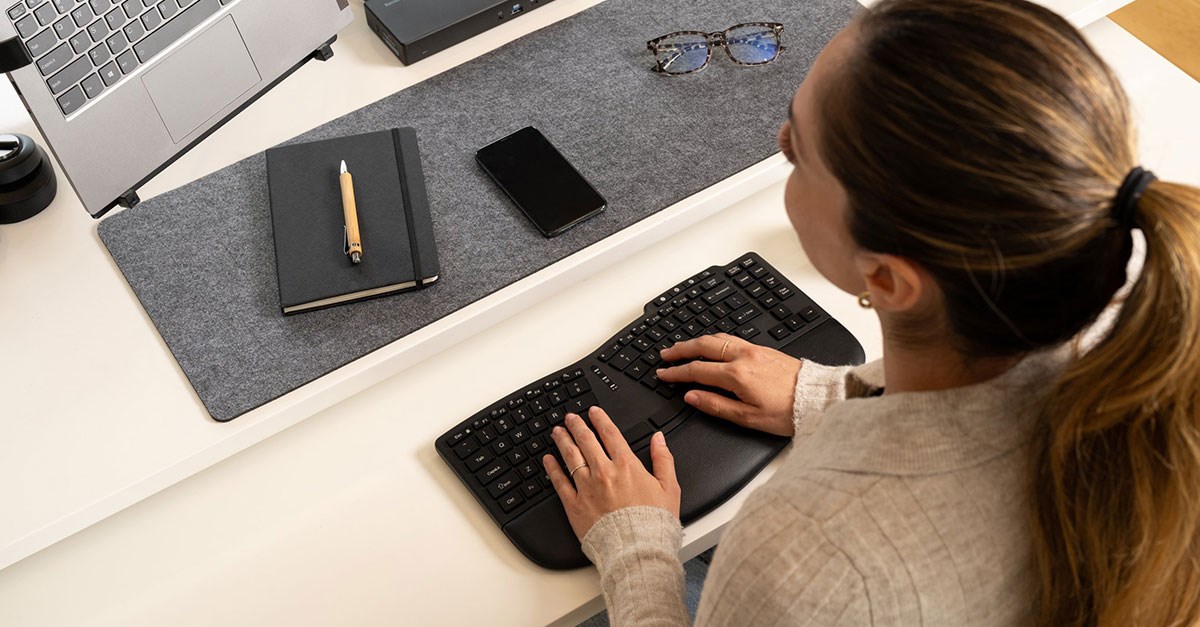
- Ensure your keyboard is at a height that allows your elbows to be at a 90-degree angle, keeping your wrists straight.
- Incorporate regular breaks into your work schedule to stretch and move around.
In addition to these adjustments, consider your overall workspace organization. Ergonomic tips also include:
- Keeping frequently used items within easy reach to minimize strain and excessive reaching.
- Using a document holder to position reference materials at eye level.
- Opting for a chair with proper lumbar support to maintain the natural curve of your spine.
- Lighting your workspace adequately to reduce eye strain.
- Considering a sit-stand desk to alternate positions throughout the day.
Counter-Strike is a highly competitive first-person shooter that pits teams of terrorists against counter-terrorists in a variety of gameplay modes. Players work together to complete objectives, such as planting or defusing bombs, while honing their skills and strategies. For those working from home and immersed in intense gaming sessions, investing in the Top 10 Home Office Essentials can enhance both comfort and performance.
The Impact of Ergonomics on Productivity: Why Your Desk Setup Matters
In today's fast-paced work environment, the impact of ergonomics on productivity cannot be overstated. A well-designed desk setup not only promotes comfort but also enhances focus, thereby boosting overall work efficiency. When individuals are seated in a workspace that supports their body, they are less likely to experience muscle strain or fatigue, which can lead to increased productivity levels. Studies have shown that investing in ergonomic furniture, such as adjustable desks and supportive chairs, can reduce employee absenteeism and improve workplace morale.
Moreover, the significance of ergonomics extends beyond just physical comfort; it plays a crucial role in mental well-being as well. A cluttered and poorly organized desk can lead to distractions, hindering one's ability to concentrate on tasks. By implementing an ergonomic desk setup that promotes organization—such as using cable management systems and proper storage solutions—employees can create a more efficient workspace. This not only fosters creativity but also encourages a more structured approach to tasks, ultimately leading to enhanced productivity in the workplace.
Is Your Office Chair Hurting You? Signs It's Time for an Upgrade
Many people spend long hours at their desks, making the comfort and ergonomics of an office chair paramount for health and productivity. If you've been experiencing discomfort or pain while seated, it might be time to consider an upgrade. Common signs that your office chair is no longer serving its purpose include frequent back pain, poor posture, or the inability to adjust the chair to fit your body properly. Additionally, if you find yourself constantly shifting positions due to discomfort, it’s a clear indication that your current chair may not provide the necessary support.
Another significant sign that your office chair needs replacing is the wear and tear evident in its structure. Look for cracks in the material, squeaks in the joints, or an inability to adjust height or recline. If your chair has lost its cushioning or the fabric feels worn, these factors can contribute to discomfort over extended periods of sitting. Upgrading to a more ergonomic office chair can enhance your work experience, improve your posture, and ultimately lead to better overall health.