From Paper Pile to Profit: Unpacking E-Invoicing's Benefits & Getting Started
The transition from traditional paper-based invoicing to a digital, automated system might seem daunting, but the move to e-invoicing offers a wealth of benefits that directly impact your bottom line. Imagine significantly reducing operational costs associated with printing, postage, and manual data entry. Beyond the obvious savings, e-invoicing dramatically improves efficiency by streamlining the entire accounts payable and receivable process. This means faster payment cycles, fewer errors caused by human intervention, and a considerable boost in productivity for your finance team, allowing them to focus on more strategic tasks rather than chasing down misplaced invoices. Ultimately, embracing e-invoicing is a strategic investment that frees up valuable resources and accelerates your business's financial health.
Getting started with e-invoicing doesn't have to be a complex overhaul; it's often a phased approach that can be tailored to your business's specific needs and existing infrastructure. The first step typically involves assessing your current invoicing volume and identifying key stakeholders within your finance and IT departments. Next, you'll need to research and select an appropriate e-invoicing solution that integrates seamlessly with your existing accounting software, whether that's through direct integration or API connections. Many providers offer robust platforms with features like automated workflows, secure data transmission, and compliance with various regulatory standards. Remember, a successful implementation hinges on proper planning, clear communication, and a willingness to embrace the future of financial transactions. Don't get left behind in the paper pile – start your e-invoicing journey today!
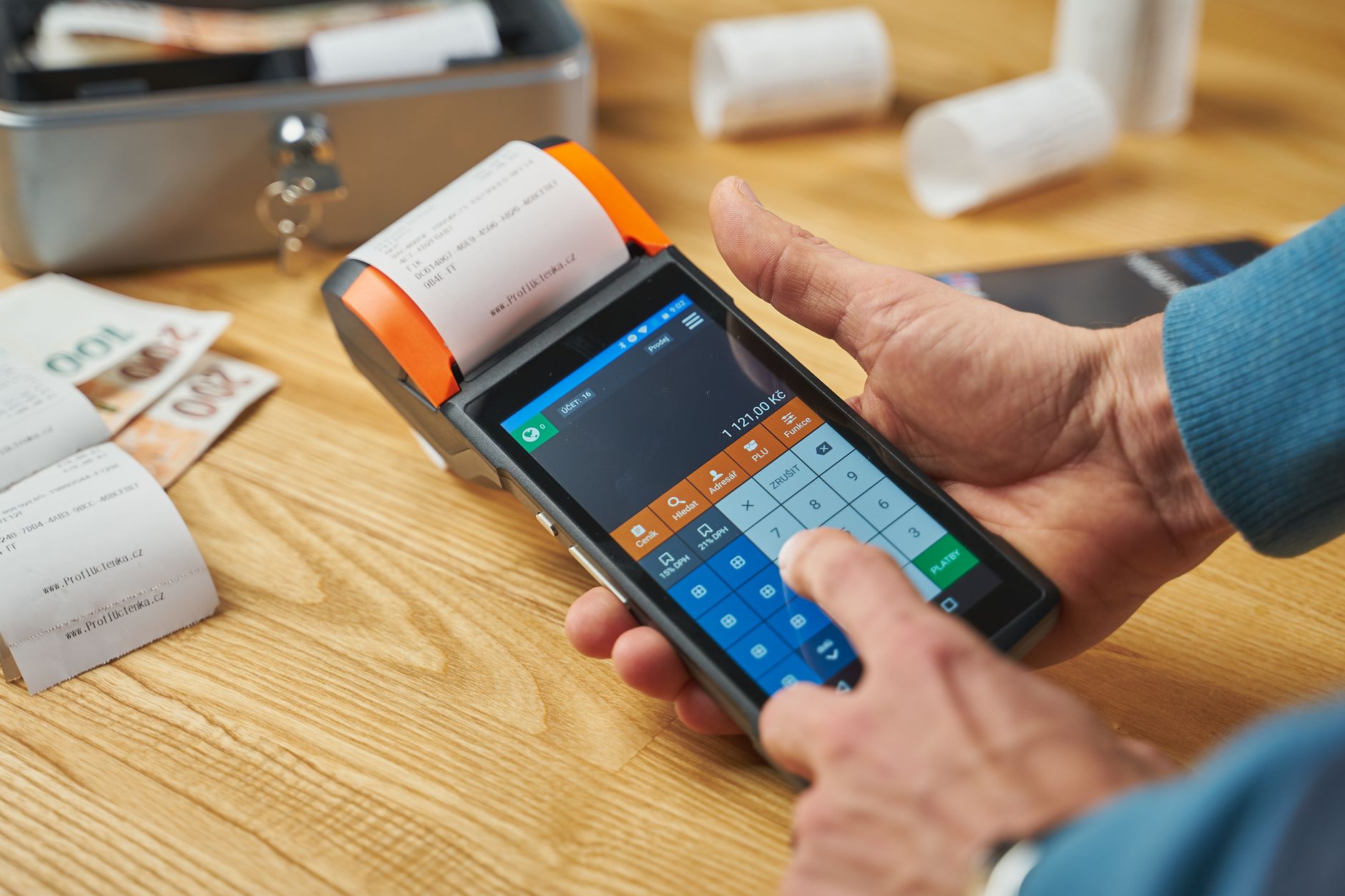
E-invoicing for retail firms streamlines the billing process, reducing manual errors and accelerating transaction times. By adopting e-invoicing for retail firms, businesses can enhance efficiency, improve customer satisfaction, and ensure compliance with regional regulations, ultimately leading to significant cost savings and better financial management.
Navigating the E-Invoicing Landscape: Compliance, Common Questions & Best Practices for Profit
The shift towards e-invoicing is no longer a distant future but a present reality for businesses worldwide, driven by government mandates and the undeniable benefits of digital transformation. Navigating this landscape requires more than just understanding the technology; it demands a deep dive into compliance regulations specific to your operating regions, such as the EU's VAT in the Digital Age (ViDA) or various Latin American mandates. Businesses must meticulously assess their current invoicing processes, identify potential compliance gaps, and invest in robust e-invoicing solutions that offer real-time validation and seamless integration with existing ERP systems. Overlooking these crucial steps can lead to hefty fines, operational inefficiencies, and a significant dent in profitability. Therefore, proactively adapting to these changes is paramount for sustained success.
Beyond mere compliance, embracing e-invoicing strategically can unlock substantial profit-driving opportunities. By automating the entire invoicing lifecycle, businesses can drastically reduce manual errors, accelerate payment cycles, and free up valuable resources previously tied to administrative tasks. Consider this:
By optimizing cash flow and minimizing processing costs, companies can reallocate capital towards growth initiatives or R&D.Furthermore, the rich data generated through e-invoicing provides invaluable insights into spending patterns, vendor performance, and potential areas for cost savings. Implementing best practices like choosing scalable, future-proof platforms and training staff effectively will ensure your e-invoicing journey not only meets compliance but also transforms into a powerful engine for profitability and operational excellence.