10 Manga and Manhwa with Unexpected Endings: Prepare to be Surprised!
When diving into the world of manga and manhwa, readers often brace themselves for predictable story arcs and character endings. However, some series take these expectations and flip them upside down. Unexpected endings can transform a good story into an unforgettable experience. In this list, we’ll explore 10 manga and manhwa that are notorious for their surprising conclusions, ensuring that you’ll be on the edge of your seat as you turn each page. Get ready to be shocked and intrigued by these masterfully penned tales!
From comedic series that take a serious turn to epic adventures that end in a way you never saw coming, these titles showcase creativity at its finest. One worth checking out is “Death Note”, which serves up a shocking finale that leaves readers questioning morality and justice. Meanwhile, “The Breaker” presents an unexpected twist that changes the fate of its protagonist entirely. Each title on our list guarantees a thrilling journey that culminates in an ending you won’t forget. So, buckle up and prepare yourself for these amazing storytelling twists!
If you're a fan of the popular webtoon, you won't want to miss the latest offerings at our solo leveling shop. Here, you'll find a variety of merchandise, including clothing, accessories, and collectibles that celebrate the thrilling world of Solo Leveling. Dive into the adventure and gear up with items that showcase your love for this epic story!
The Evolution of Storytelling in Manga vs. Manhwa: What’s the Difference?
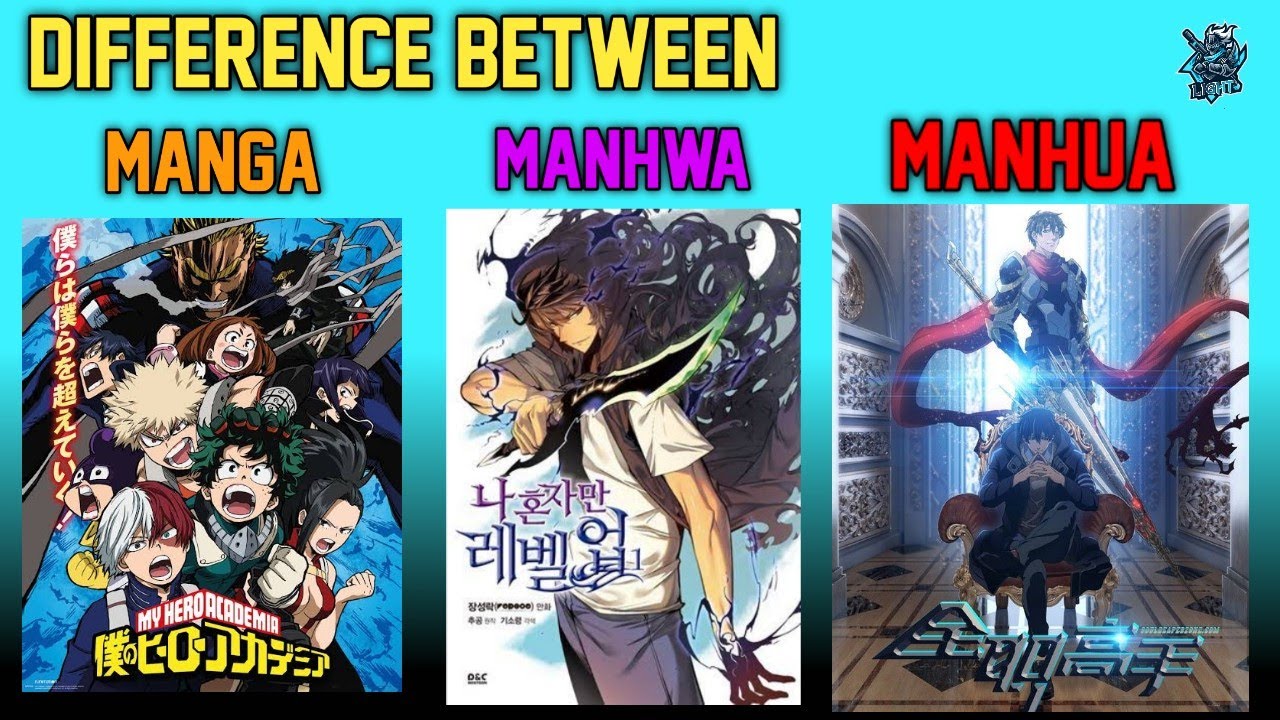
The evolution of storytelling in Manga and Manhwa highlights the distinct cultural influences and storytelling techniques that define each medium. While both formats share similarities rooted in their comic origins, Manga, which originates from Japan, often emphasizes intricate plot lines and character development that unfold over longer arcs. This extensive storytelling allows for deeper emotional engagement, making it a favored choice for genres such as fantasy and romance. In contrast, Manhwa, hailing from South Korea, frequently adopts a more episodic structure, often catering to a faster-paced narrative. The visual style in Manhwa also tends to favor vibrant colors and dynamic layouts, reflecting the modern aesthetic that appeals to a younger audience.
Another significant difference relates to the reading direction and format; Manga is traditionally read from right to left, creating a unique experience for readers that can heavily influence the narrative flow. Manhwa, on the other hand, is typically read from left to right, mirroring Western comic formats and making it accessible for a broader audience. This divergence in presentation further symbolizes each medium's identity, with Manhwa often focusing on themes of contemporary life and social issues, while Manga can delve into more fantastical or intricate tales. Overall, recognizing these distinctions not only enhances the appreciation of each art form but also enriches the reader's experience.
Why Are Plot Twists Essential in Manga and Manhwa?
Plot twists play a pivotal role in both manga and manhwa, elevating the storytelling beyond mere entertainment. They serve as catalysts for excitement and engagement, captivating readers by defying their expectations. When readers think they have the storyline figured out, an expertly woven plot twist can change everything, reinventing character motivations and altering the trajectory of the narrative. This unpredictability not only maintains suspense but also encourages readers to revisit earlier chapters, discovering subtle hints and foreshadowing that they may have overlooked. Such depth adds layers to character development and enriches the overall storytelling experience.
Furthermore, the cultural context of manga and manhwa enhances the significance of plot twists. These narratives often explore complex themes such as identity, morality, and human connection. A well-executed plot twist can challenge readers' perspectives, prompting them to reflect on their beliefs and assumptions. For instance, stories that incorporate unexpected betrayals or hidden lineages resonate deeply within these genres, reflecting societal nuances. As a result, the inclusion of plot twists not only captivates the audience but also invites them to engage with the material on a more profound level, making the reading experience both thrilling and thought-provoking.