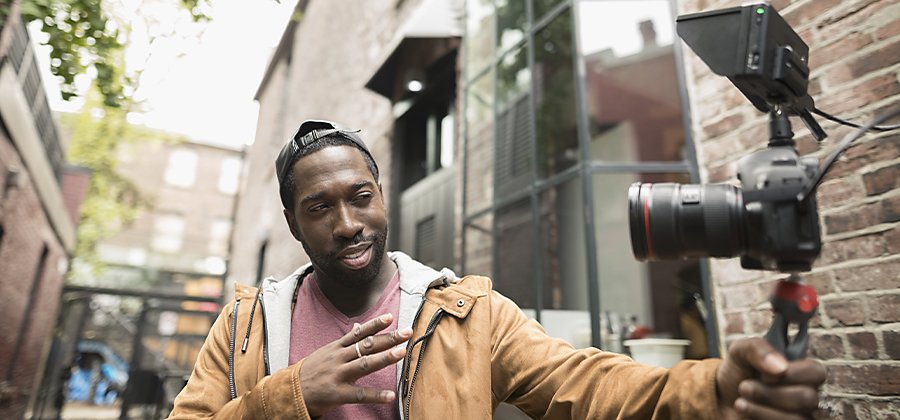
How Vlogging Can Help You Process Your Emotions: A Deep Dive
Vlogging has emerged as a powerful tool for self-expression, allowing individuals to capture their thoughts and feelings in a unique way. Through the lens of a camera, vlogging facilitates a kind of emotional release that can be incredibly beneficial for processing complex emotions. Whether it’s sharing personal stories, discussing struggles, or simply reflecting on daily life, the act of recording oneself can create a deeper understanding of our emotions. This form of digital storytelling not only encourages self-reflection but also promotes vulnerability, fostering a connection between the vlogger and their audience.
Moreover, vlogging contributes to emotional well-being by building community and encouraging dialogue. When individuals share their experiences, they often find that others resonate with similar feelings, which can help to mitigate feelings of isolation. This sense of community can be reinforced through viewer comments and interactions, creating a support system that is invaluable in times of emotional distress. Vlogging thus serves as both a therapeutic outlet and a pathway to connection, demonstrating how the simple act of sharing can play a transformative role in emotional processing.
Counter-Strike is a popular multiplayer first-person shooter game that emphasizes team collaboration and tactical gameplay. Players can choose to play as terrorists or counter-terrorists, with each side having unique objectives. If you're looking to enhance your gaming content, check out our Top 10 Vlog Kits for iPhone 17, which can help elevate your streaming and content creation.
The Therapeutic Benefits of Vlogging: How to Start Your Journey
Vlogging has emerged as a powerful medium for self-expression, providing numerous therapeutic benefits for individuals of all backgrounds. Whether you're sharing your daily experiences or delving into deeper emotional topics, the act of creating video content can help you process your feelings and thoughts. Research shows that engaging in creative activities like vlogging can reduce stress, enhance mood, and even improve mental health by allowing individuals to articulate their struggles and triumphs. Not only does this form of expression foster personal growth, but it also creates a sense of community as viewers resonate with your journey.
If you're ready to embark on your own vlogging journey, here are some steps to get started:
- Choose Your Niche: Identify what you are passionate about and what topics you want to share.
- Equip Yourself: Invest in a good camera and microphone to ensure high-quality content.
- Plan Your Content: Create an outline for your first few videos, focusing on authenticity and relatability.
- Stay Consistent: Regular uploads keep your audience engaged and foster a loyal community.
Is Vlogging the Secret to Self-Discovery? Exploring Its Impact on Mental Health
In today's digital age, vlogging has emerged as a powerful medium for self-expression and personal storytelling. As individuals share their daily lives and experiences through video, they often embark on a journey of self-discovery. This form of creative expression encourages introspection, allowing vloggers to articulate their thoughts and feelings, which can lead to a deeper understanding of themselves. By documenting their challenges and triumphs, they create a space for reflection, ultimately promoting mental clarity and emotional well-being.
The impact of vlogging on mental health cannot be underestimated. Many vloggers report a sense of community and connection, as they engage with viewers who resonate with their experiences. This interaction fosters a support system that can significantly enhance one's emotional resilience. Moreover, through the process of creating content, individuals learn to confront their fears and insecurities, transforming their vulnerabilities into strengths. As a result, vlogging becomes not only a tool for entertainment but also a vital instrument for healing and personal growth.