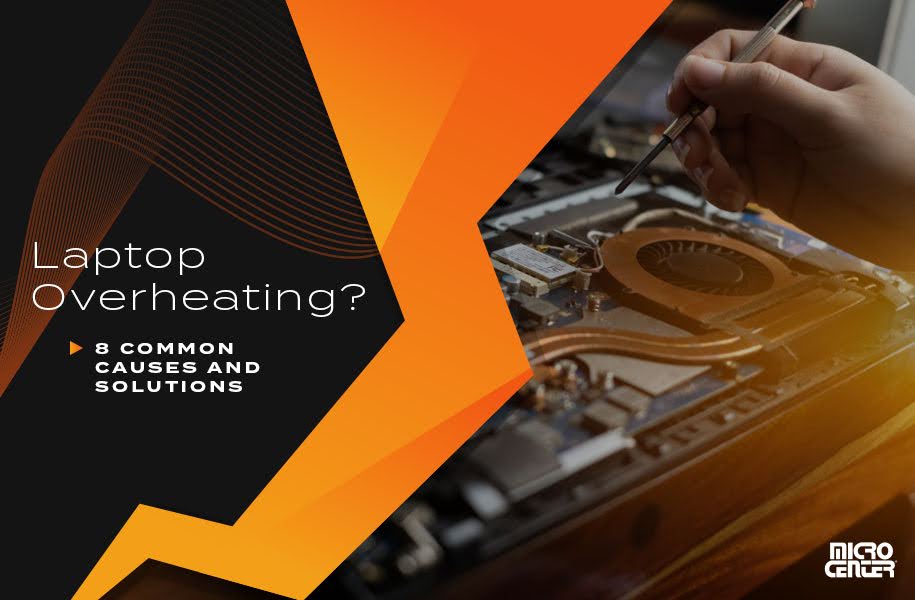
Understanding the Causes of Tech Overheating: What You Need to Know
Understanding the causes of tech overheating is crucial for maintaining the longevity and performance of your devices. Overheating can occur due to various factors, including excessive dust buildup, inadequate cooling systems, and running resource-intensive applications for extended periods. For instance, when dust accumulates on the internal components of a laptop or desktop, it can obstruct airflow and lead to higher temperatures. Additionally, if a device's cooling fan is malfunctioning or obstructed, it may not efficiently dissipate heat, further exacerbating the issue.
Another common factor contributing to tech overheating is environmental conditions. High ambient temperatures and poor ventilation can significantly impact device performance. In situations where devices are left in hot environments or are tightly packed in spaces with little airflow, they may struggle to regulate their temperature. To prevent overheating, users should ensure that their devices are kept in well-ventilated areas and are regularly maintained to eliminate dust and debris. Taking these steps not only helps to fend off overheating but also enhances the overall efficiency of your tech.
Counter-Strike is a popular first-person shooter game that emphasizes team-based gameplay and strategy. Players engage in intense gunfights, and success often relies on communication and teamwork. To enhance your gaming experience, it's important to consider your setup, including ensuring your laptop stays cool while you play. For instance, check out Top 10 Laptop Accessories to Prevent Overheating to find the best tools to maintain optimal performance during those competitive matches.
10 Effective Tips to Prevent Your Devices from Overheating
As technology continues to advance, ensuring your devices do not overheat is crucial for maintaining their performance and longevity. Here are 10 effective tips to prevent your devices from overheating. First, ensure proper ventilation. Avoid blocking vents and use your devices on hard surfaces rather than soft beds or couches that can trap heat. Second, consider keeping your device in a cool room, as high ambient temperatures can contribute significantly to overheating.
Third, regularly check for software updates; outdated software can lead to inefficient hardware use, causing overheating. Fourth, limit resource-heavy applications and multitasking, as they can put excessive strain on your device's processor. Additionally, consider using a cooling pad for laptops, and when charging your devices, take breaks to allow them to cool down. By following these effective tips, you can protect your devices from overheating and extend their lifespan.
Is Your Tech Overheating? Here’s How to Diagnose the Problem
If you've noticed your device becoming unusually hot during operation, it might be a sign that your tech is overheating. Overheating can lead to decreased performance and potential damage over time, so it's crucial to diagnose the issue. Start by checking if your device is properly ventilated; ensure that fan openings are not obstructed by dust or other debris. Additionally, consider the environment where you use your technology: high temperatures, direct sunlight, and poor airflow can all exacerbate heating issues.
Once you've ruled out external factors, delve into software diagnostics. Monitor your device's CPU usage to identify any programs that may be overworking the hardware. Tools like Task Manager on Windows or Activity Monitor on macOS can help track performance. In some cases, a simple restart can free up resources and prevent overheating. However, if you consistently find your tech running hot, it may be time to invest in additional cooling solutions such as laptop cooling pads or external fans. Regular maintenance, including cleaning out dust, can also prevent overheating.