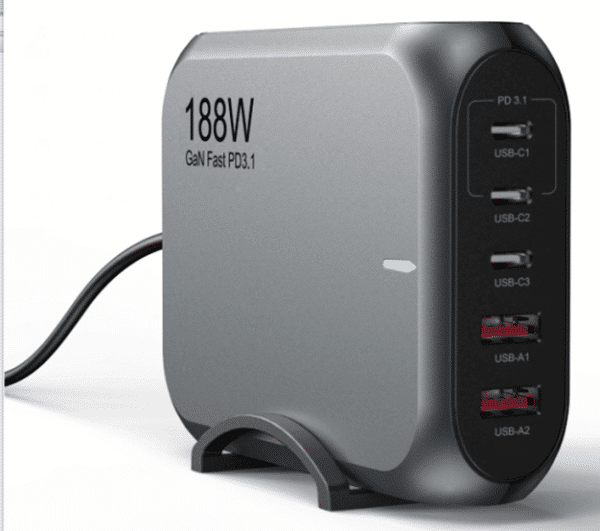
The Evolution of Power Delivery: What You Need to Know
The evolution of power delivery has significantly transformed over the decades, driven by advancements in technology and changing consumer needs. Initially, power delivery was limited to basic direct current (DC) systems, primarily used for small-scale applications. With the introduction of alternating current (AC), it became possible to transmit electricity over long distances, leading to a more widespread and efficient power distribution network. Today, we see a shift towards innovative solutions such as USB Power Delivery (USB PD), which allows for higher power levels and faster charging across a variety of devices, from smartphones to laptops.
In parallel, the demand for energy-efficient and sustainable solutions has prompted significant advancements in power delivery technologies. This includes the development of smart grid systems that integrate digital technology to optimize power distribution and reduce waste. Furthermore, the rise of renewable energy sources, such as solar and wind, has introduced a new level of complexity in power delivery, necessitating innovative storage and management solutions to ensure a stable and reliable energy supply. Staying informed about these trends is crucial for consumers and businesses alike as we navigate the future of energy consumption.
Counter Strike is a tactical first-person shooter that has gained immense popularity since its release. Players team up as either terrorists or counter-terrorists, participating in various objective-based game modes. For those interested in enhancing their gaming experience, check out the Top 10 fast chargers for iphone to ensure your devices stay powered during long gaming sessions.
Understanding the Benefits of Power Delivery for Your Devices
Power Delivery (PD) is a cutting-edge technology that allows for faster and more efficient charging of various electronic devices. With PD, devices can receive increased amounts of power, significantly reducing charging time compared to traditional chargers. For instance, a smartphone that usually takes hours to charge can achieve a full battery in less than an hour when using a compatible Power Delivery charger. This is especially beneficial for users who are always on the go and need their devices charged quickly to stay connected.
Another major advantage of Power Delivery is its versatility. PD isn't limited to just smartphones; it can power a wide range of devices such as laptops, tablets, and even some gaming consoles, all through a single USB-C port. This not only simplifies the charging process but also reduces the number of cables and chargers one needs to carry. Furthermore, Power Delivery intelligently negotiates the power level between devices, ensuring that each device receives the optimal amount of power it requires—making it a safe and reliable option.
Is Your Device Ready for Power Delivery? Key Features to Look For
When considering whether your device is ready for Power Delivery, there are several key features you should evaluate. First and foremost, ensure that your device supports the USB-C standard, as this is integral for Power Delivery functionality. Check if your device specifications mention USB Power Delivery compatibility, which enables higher power transfer and faster charging. Other features to look out for include the maximum wattage your device can accept and deliver. Devices that can handle 18W, 30W, or even 100W through Power Delivery technology will significantly enhance your charging experience.
Additionally, it's crucial to consider the quality of the cables and chargers used in conjunction with Power Delivery. Not all USB-C cables are created equal; only those designed with Power Delivery in mind can support the high wattages required. Ensure that you are using genuine chargers and cables that meet specifications to avoid potential safety issues or inefficient charging. Finally, if you're using multiple devices simultaneously, check if your device can intelligently manage power distribution through Power Delivery, allowing for optimal charging without compromising performance.