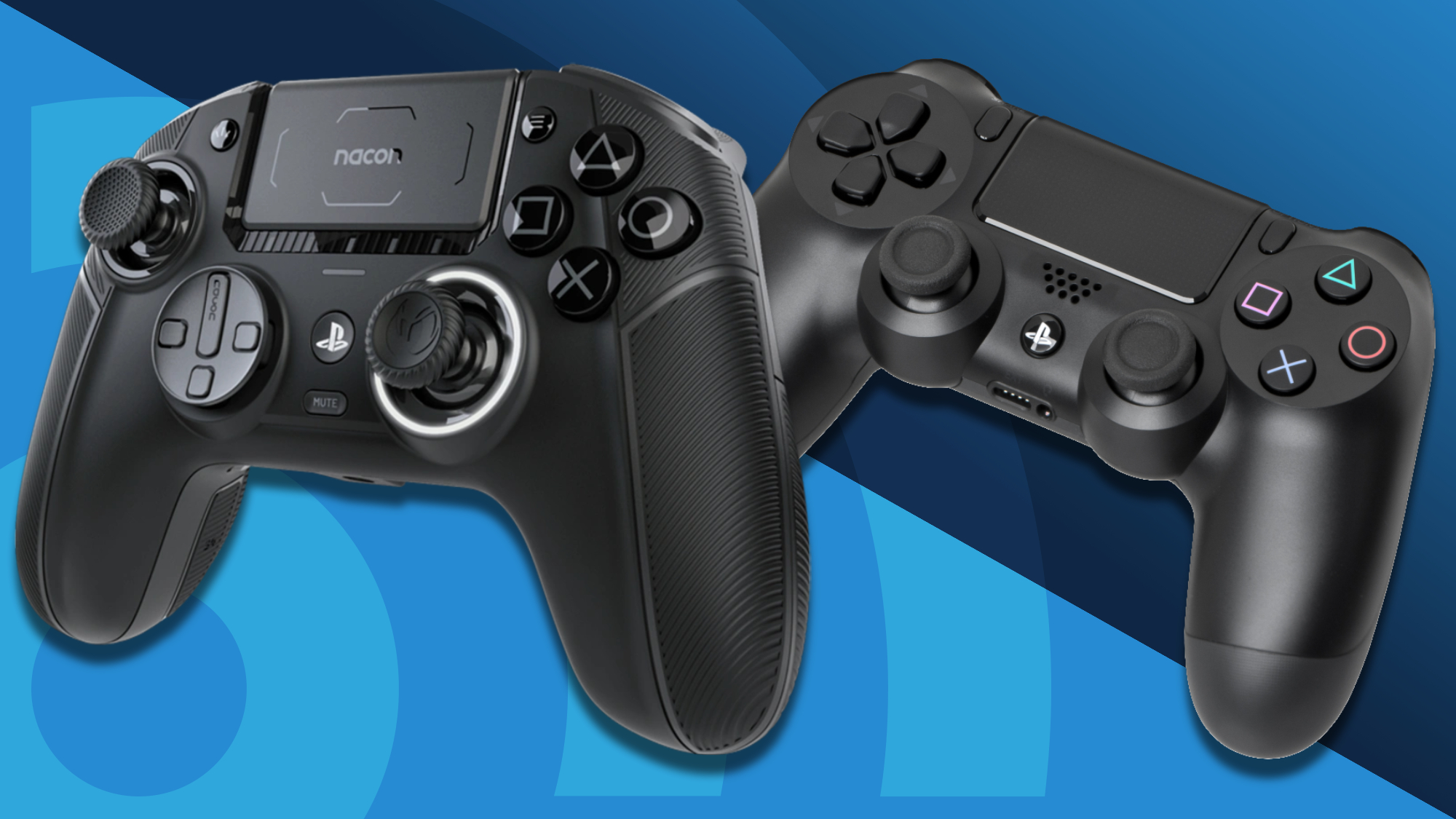
The Evolution of Controllers: How Gamepads Shaped Gaming Culture
The journey of game controllers has been one of the most fascinating aspects of gaming culture, showcasing innovation and adaptability. Gamepads have evolved from simplistic joysticks and basic buttons to complex devices equipped with motion sensors and touchscreen capabilities. In the early days, platforms like the Atari 2600 and NES introduced the first home console controllers, which primarily featured a D-pad and a few action buttons. As gaming technology advanced, controllers began to incorporate features such as rumble feedback, ergonomic designs, and wireless connectivity, allowing for more immersive gameplay experiences.
This evolution has not only changed how games are played but also how they are perceived in popular culture. The introduction of features such as dual analog sticks and customizable button layouts has allowed gamers to fine-tune their control schemes, making gamepads more versatile across various genres. Furthermore, iconic designs from companies like Nintendo and Sony have left a significant mark, influencing everything from esports to social interactions among gamers. As gamepads continue to develop, they remain at the forefront of gaming culture, bridging the gap between technology and the immersive worlds we explore.
Counter-Strike is a highly popular tactical first-person shooter game that pits teams of terrorists against counter-terrorists in various game modes. Players can choose different weapons and equipment to achieve objectives, making strategy and teamwork crucial for success. If you're looking to enhance your gaming experience, check out the Top 10 iphone gaming accessories that can help you perform better in the game.
The Unsung Heroes of Gaming: Exploring Unique Controllers and Their Functions
When it comes to gaming, the spotlight often shines on high-performance consoles and cutting-edge graphics, but unique controllers play a crucial role in shaping the gaming experience. From the quirky design of the Oculus Touch controllers that facilitate immersive virtual reality interactions to the nostalgic feel of retro gamepads like the SEGA Mega Drive controller, each device brings its own flair and functionality. These unsung heroes do more than just serve as input devices; they help convey emotions, enhance gameplay, and allow for creative expression in ways traditional controllers may not achieve.
Moreover, the rise of adaptive controllers has opened up gaming to a broader audience, including individuals with disabilities. Devices like the Xbox Adaptive Controller enable customization, making it possible for players to create setups that suit their specific needs. This kind of innovation not only demonstrates the industry’s commitment to inclusivity but also showcases how unique controllers can redefine the gameplay experience. Ultimately, whether they’re enhancing accessibility or elevating traditional gaming mechanics, these controllers are integral to the diverse landscape of the gaming world.
What Makes a Great Controller? Key Features That Enhance Your Gaming Experience
A great controller is essential for any gamer looking to enhance their overall gaming experience. The first key feature to consider is ergonomic design, which ensures that the controller fits comfortably in your hands during long gaming sessions. An ergonomic controller reduces the risk of strain and fatigue, allowing players to maintain focus and precision in their gameplay. Additionally, customization options are crucial, as they enable users to tailor button layouts and sensitivities to their preferences, further enhancing control and responsiveness.
Another vital aspect of a great controller is connectivity. Whether wired or wireless, a reliable connection ensures minimal latency, preventing lag during critical moments. Furthermore, controllers equipped with vibration feedback can greatly enhance immersion, allowing players to feel every impact and action within the game. Finally, compatibility across multiple platforms increases the value of a controller, giving gamers the flexibility to use it on different devices without compromising performance.