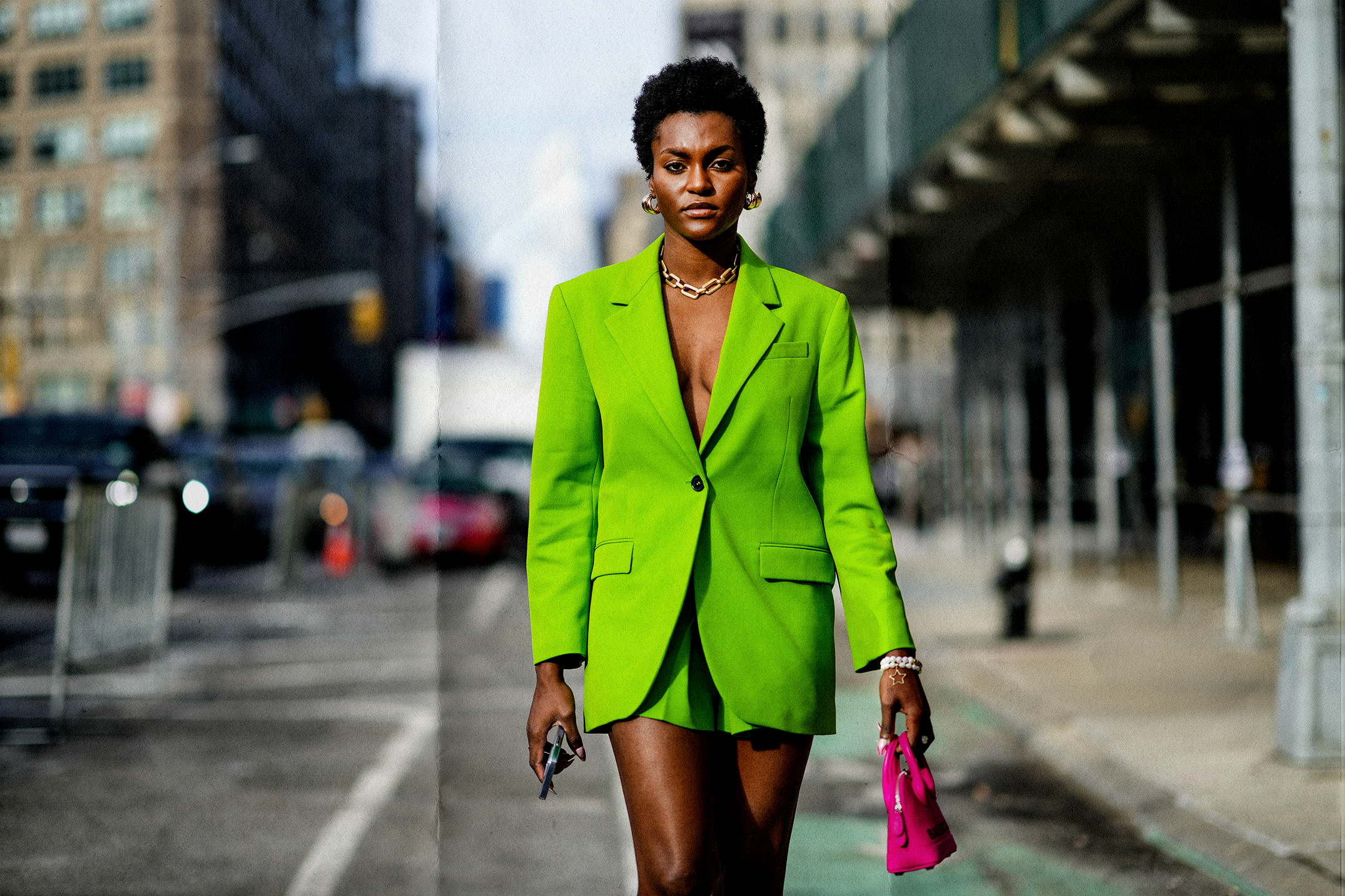
The Evolution of Fashion: How Historical Events Shaped Modern Style
The world of fashion has undergone a remarkable transformation over the centuries, heavily influenced by historical events. The Renaissance period, for instance, marked the beginning of elaborate clothing styles as art and culture flourished. As society transitioned from the constraints of the medieval era, the rise of individualism prompted a shift in fashion towards more personalized and expressive attire. The Industrial Revolution further revolutionized the fashion landscape by making clothing production more accessible through mass manufacturing, paving the way for modern style as we know it today.
Moreover, significant global events such as the World Wars dramatically altered fashion trends. During World War I, women embraced more practical and functional clothing as they entered the workforce, leading to the introduction of androgynous styles that challenged traditional gender norms. This evolution continued through the 1960s, when cultural movements such as the counterculture revolution further propelled fashion into a realm of self-expression. Today, we see echoes of these historical shifts in contemporary style, as designers incorporate elements from the past to create innovative, forward-thinking fashion that resonates with the modern consumer.
Counter-Strike is a popular first-person shooter game that has captivated millions of players around the world. Known for its competitive gameplay, it pits two teams against each other: the terrorists and the counter-terrorists. One interesting aspect to consider while gaming is your comfort, which can be enhanced by the right accessories, such as the Top 10 Lightweight Apple Watch Bands that can keep your watch secure while you immerse yourself in the action.
Sustainable Fashion: Can We Unravel the Myths Behind Eco-Friendly Choices?
Sustainable fashion has become a buzzword in recent years, often surrounded by a cloud of misconceptions that can obscure its true meaning. Many people assume that eco-friendly choices are synonymous with high prices or limited options; however, this isn't necessarily the case. In reality, sustainable fashion is about more than just the cost—it encompasses a wide range of practices that prioritize ethical production, responsible sourcing of materials, and minimal environmental impact. By debunking these myths, we can empower consumers to make informed decisions that align with their values and promote a healthier planet.
One prevalent myth is that opting for eco-friendly fashion means sacrificing style. This is far from the truth, as numerous brands now offer chic and on-trend designs that are also environmentally conscious. By exploring various sustainable materials and innovative methodologies, the fashion industry is evolving rapidly. Hence, as consumers, we can prioritize both fashion and sustainability without compromise. Consider making small changes in your wardrobe, such as buying from brands that are transparent about their supply chain or choosing second-hand pieces, to contribute to a more sustainable future.
What Your Style Says About You: Exploring the Psychology of Fashion
Fashion is more than just a way to dress; it serves as a powerful form of self-expression that can convey personal identity, social status, and cultural affiliations. Through the choices we make in clothing, accessories, and style, we communicate messages about our personality, beliefs, and even our aspirations. For instance, someone who frequently opts for casual, comfortable attire may prioritize practicality and functionality, while an individual who sports high-end designer pieces might seek to display sophistication and wealth. The blend of these choices not only reflects personal style but also hints at deeper psychological traits.
Understanding the psychology of fashion can offer insights into how we perceive ourselves and how we wish to be perceived by others. Our wardrobe choices can indicate confidence levels, moods, and even our mental state. For example, research suggests that people tend to wear brighter colors when feeling positive and vibrant, while darker shades might reflect a more introspective or subdued phase. Moreover, trends often come and go, yet certain styles resonate with specific eras and cultural movements, showcasing how our fashion choices are intertwined with social dynamics and personal narratives.