The Essential Role of Adapters in Today’s Technology
In today's rapidly evolving technological landscape, adapters have become essential components that bridge the gaps between various devices and systems. From connecting smartphones to legacy audio equipment to enabling seamless communication between different software applications, adapters play a crucial role in facilitating interoperability. They ensure that diverse technologies can work together efficiently, allowing users to maximize their investments in devices and services. As such, understanding the significance of adapters is vital for both consumers and businesses looking to stay ahead in this competitive environment.
Moreover, the rise of smart homes and the Internet of Things (IoT) has amplified the importance of adapters in everyday life. Wireless adapters, for instance, are instrumental in connecting numerous devices to home networks, enabling users to control everything from lighting to security systems remotely. These versatile solutions not only enhance user experience but also improve the overall functionality and adaptability of modern technology. As we continue to embrace innovation, the role of adapters will undoubtedly grow, solidifying their status as a cornerstone of contemporary tech ecosystems.
Counter-Strike is a popular tactical first-person shooter game that pits teams of terrorists against counter-terrorists in various objective-based scenarios. Players strategize and cooperate to complete objectives, such as bomb defusal or hostage rescue. If you're looking to enhance your gaming experience, check out the Top 10 USB C accessories that can improve your setup. The competitive nature and team dynamics have made it a staple in the esports scene, with professional tournaments held worldwide.
How Adapters Bridge the Gap: Understanding Their Functionality
Adapters play a crucial role in modern technology, functioning as intermediaries that facilitate communication and compatibility between different devices and systems. They serve to bridge the gap between various ports, protocols, or formats, enabling seamless data transfer and connectivity. For instance, a USB-C to HDMI adapter allows users to connect their laptops to external monitors, ensuring that both devices can effectively communicate despite having different input/output standards. By converting signals and interfaces, adapters enhance user experience by providing flexibility and versatility in an increasingly interconnected world.
While the primary function of adapters is to enable connectivity, their importance extends beyond mere functionality. Understanding how these devices operate can significantly enhance our usage of technology. For example, many wireless adapters help connect desktop computers to Wi-Fi networks, eliminating the need for cumbersome cables and improving overall mobility. In addition, adapters can come with added features like power delivery and data transfer capabilities, thus offering users more than just a connection point but also enhancing performance. As technology continues to advance, the demand for efficient and effective adapters will undoubtedly grow, making them an essential component in the tech ecosystem.
Common Questions About Adapters: What You Need to Know
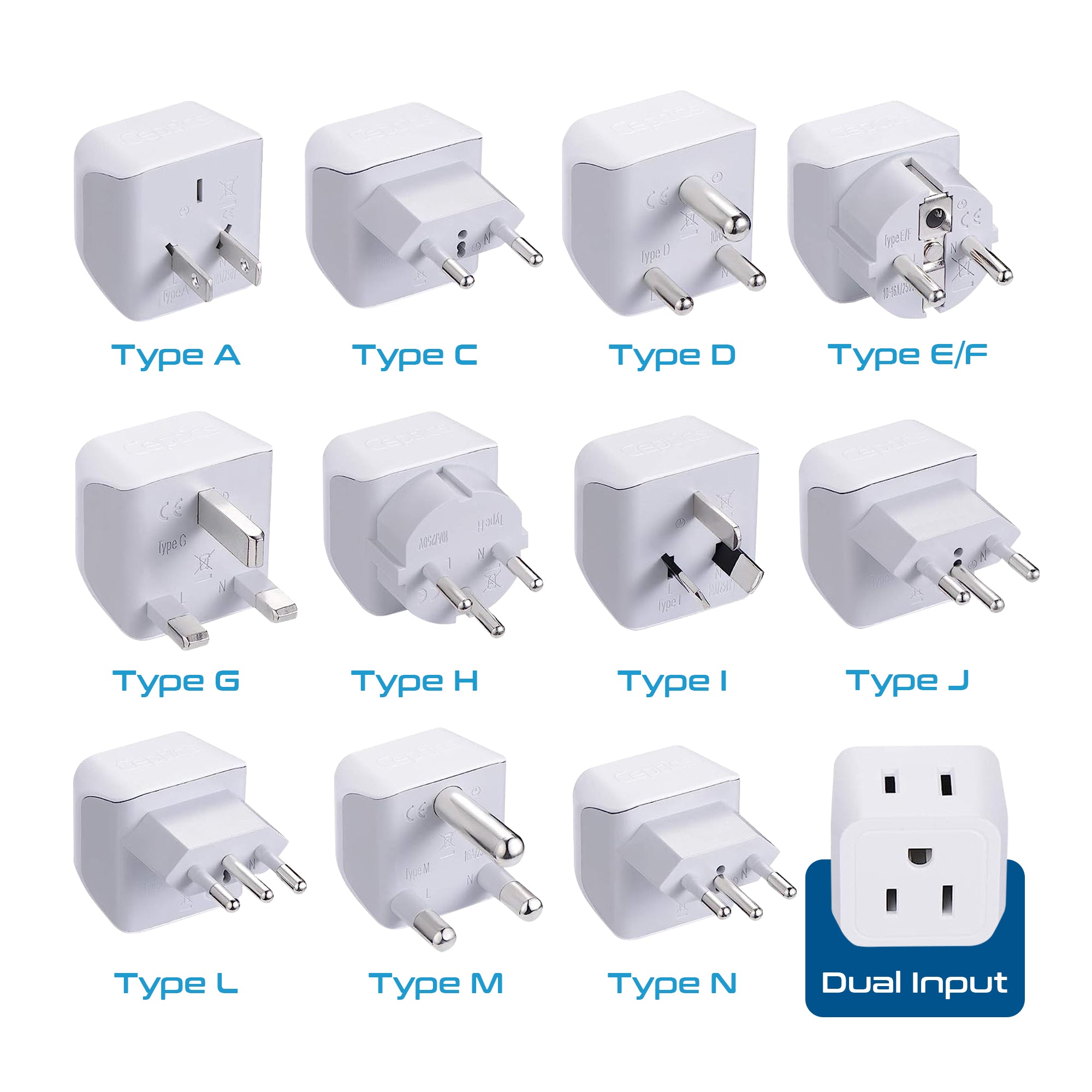
When it comes to using adapters, there are several common questions that often arise. First, many users wonder about the types of adapters available. Adapters can come in multiple forms, including but not limited to power adapters, audio/video adapters, and network adapters. Each serves a specific purpose, making it essential to choose the right one for your needs. Here are a few examples:
- Power Adapters: Used to convert power plugs for electronic devices.
- Audio/Video Adapters: Connect different media formats for screens and projectors.
- Network Adapters: Allow devices to connect to a network wirelessly or through Ethernet.
Another frequent question is how to determine if you need an adapter. If you find that your devices are incompatible due to different port types, or if your device doesn't support a specific function, then an adapter might be the solution. It's also important to consider compatibility and quality when purchasing an adapter, as using the wrong type can lead to malfunctions or even damage to your devices. Additionally, many users ask about the importance of choosing certified adapters to ensure safety and reliability. Always check for certifications to avoid potential hazards.